Real Estate Digital Marketing: Strategies, Tips, and Best Practices for Success
Real Estate Digital Marketing: Strategies, Tips, and Best Practices for Success
Introduction
The real estate market is constantly evolving, and as the digital world takes over, so does the way agents and brokers market properties. With real estate digital marketing becoming increasingly essential, real estate professionals are embracing new tools and techniques to attract potential buyers, showcase properties, and close deals. As more clients begin their home search online, a robust real estate digital marketing strategy has become crucial for any real estate business.
In this article, we’ll explore the most effective real estate digital marketing strategies, from brand-building and SEO to the role of social media, PPC, and email marketing. These tools can help agents and agencies engage with leads, convert prospects, and build a trusted brand in the online space.
1. Understanding Real Estate Digital Marketing
Real estate digital marketing involves leveraging online platforms, tools, and content to reach and engage potential buyers and sellers. Unlike traditional marketing, digital strategies allow real estate professionals to target specific demographics, track performance metrics, and adjust campaigns based on data insights. This strategic approach helps build a strong presence where customers are most active — online.
Real estate digital marketing also focuses on enhancing user experience and engaging customers at various stages of their home-buying journey. It integrates channels such as social media, search engines, email marketing, and video tours, offering a more personalized, data-driven approach to meeting clients’ needs.

2. Benefits of Digital Marketing for Real Estate Agents
1. Increased Reach and Accessibility:
Real estate digital marketing allows agents to reach a larger, more diverse audience beyond their local markets. Through platforms like Google Ads, Facebook, and Zillow, agents can display listings to a wider demographic, reaching out to potential buyers regardless of their location.
2. Cost-Effectiveness:
Compared to traditional marketing methods such as newspaper listings or television ads, digital marketing can be more cost-effective, especially with targeted ad campaigns and analytics that show clear ROI. Real estate agents can better control their real estate digital marketing budgets by choosing to only target the most interested leads.
3. Data-Driven Insights:
Real estate digital marketing tools provide data analytics to help agents understand customer behavior, website performance, and ad effectiveness. This enables realtors to optimize their strategies based on actual data, improving engagement and conversion rates over time.
3. Building a Strong Real Estate Brand Online
Establishing a recognizable brand online is essential in today’s competitive real estate market. A strong brand builds trust and credibility, which is vital when dealing with significant financial transactions such as buying or selling property. Key steps to establish a brand include:
1. Consistent Branding:
Use consistent colors, fonts, and logos across all platforms to create a cohesive image.
2. Authenticity:
Share success stories, client testimonials, and behind-the-scenes content to humanize the brand.
3. Thought Leadership:
Publish informative articles or offer market insights to position yourself as an industry expert, boosting your credibility.

4. Key Digital Marketing Channels for Real Estate
To reach potential clients effectively, real estate professionals should focus on a multi-channel marketing approach. Here’s a breakdown of the most impactful channels:
1. Social Media:
Ideal for reaching younger buyers and building engagement.
2. Email Marketing:
Great for nurturing long-term leads and sending updates on properties.
3. Search Engine Optimization (SEO):
Ensures listings are visible to those searching for properties in specific locations.
4. Pay-Per-Click Advertising (PPC):
Target specific demographics actively looking to buy or sell.
Leveraging multiple channels allows real estate agents to meet prospects wherever they are online, ensuring maximum reach and engagement.
5. Content Marketing in Real Estate
High-quality content is at the core of successful real estate digital marketing. By creating valuable, informative content, real estate professionals can attract potential clients, establish authority, and answer common questions buyers or sellers may have. Effective content types include:
Blog Posts:
Write about topics like market trends, buying/selling tips, and neighborhood guides.
Videos:
Use video content for home tours, client testimonials, and market updates.
Virtual Tours:
Allow prospective buyers to view properties remotely, enhancing accessibility and interest in listings.
Content marketing not only boosts website traffic but also provides lasting value, helping realtors attract leads organically over time.
6. SEO Strategies for Real Estate Websites
A well-optimized website is crucial for attracting organic traffic. SEO helps real estate websites rank higher on search engines, making it easier for prospective buyers to find them. Key SEO practices for real estate digital marketing include:
Keyword Optimization:
Use relevant keywords (e.g., “homes for sale in [location]”) to improve search engine ranking.
On-Page SEO:
Focus on elements like meta descriptions, title tags, and image alt texts to optimize each page.
Local SEO:
Claim your Google My Business profile and target keywords with specific local intent to capture nearby leads.
SEO is a long-term strategy that can yield significant benefits over time by attracting a steady stream of high-quality leads.

7. Social Media Marketing for Real Estate
Social media platforms such as Facebook, Instagram, LinkedIn, and Twitter are powerful tools for real estate agents. Social media offers a direct line to potential clients, enabling realtors to engage with their audience in real-time. Tips for social media success include:
Platform Selection:
Focus on the platforms that best suit your target audience. Instagram and Facebook are popular for visual content, while LinkedIn is better for professional networking.
Content Types:
Share property photos, video tours, client testimonials, and live updates. Content diversity keeps followers engaged and interested.
Paid Advertising:
Social media ads can effectively target specific demographics, leading to faster and more precise lead generation.
8. Email Marketing for Real Estate
Email marketing remains one of the most effective ways to nurture leads and keep prospects engaged. Through personalized content, agents can build relationships with potential clients. Key strategies in email marketing for real estate digital marketing include:
- Segmented Lists: Segment your email list by factors such as location, buying stage, or preferences for more targeted messaging.
- Automated Drip Campaigns: Use automated email sequences to stay in touch with leads, sending relevant information over time.
- Personalized Content: Address recipients by name and tailor content to their specific interests or needs, improving open and click-through rates.
By providing valuable content through email, agents can nurture leads and position themselves as top-of-mind when clients are ready to buy or sell.
9. Pay-Per-Click (PPC) Advertising
PPC advertising, like Google Ads or Facebook Ads, allows real estate professionals to reach potential buyers and sellers through targeted ads. With PPC, agents only pay when users click on the ad, making it a cost-effective solution for reaching ready-to-act clients. Benefits of PPC include:

Targeting Specific Audiences:
PPC campaigns allow agents to filter by demographics, interests, and locations, ensuring ads reach the right audience.
Fast Results:
Unlike organic SEO, PPC can generate leads quickly, ideal for short-term promotions.
Trackable ROI:
Platforms like Google Ads offer detailed analytics, helping agents gauge the performance of each campaign and adjust accordingly.
10. Retargeting Strategies for Real Estate
Retargeting in real estate digital marketing is a technique that involves showing ads to users who have previously visited a real estate digital marketing campaign website but didn’t convert. Retargeting keeps the brand and properties top-of-mind, increasing the likelihood of conversion. Here’s how it works:
- Display Ads: Show ads on other websites that the visitor may browse, reminding them of the property they viewed.
- Social Media Retargeting: Use Facebook and Instagram ads to re-engage potential buyers.
- Increased Conversions: Retargeting works by keeping the audience engaged, often leading to higher conversion rates.
11. Video Marketing and Virtual Tours
Video content has taken the real estate digital marketing world by storm. Today’s buyers expect more interactive, visual experiences, and video marketing provides just that. By showcasing properties through virtual tours and detailed video walkthroughs, real estate agents can offer an immersive experience that helps buyers visualize themselves in the home.

Creating Engaging Video Content:
Real estate agents can create various types of video content, including property tours, client testimonials, market updates, and area guides. These videos help give prospective buyers a realistic feel for properties and neighborhoods without physically visiting.
Virtual Tours and 360-Degree Experiences:
Platforms like Matterport allow agents to create 3D tours that let users explore properties in a fully interactive way. Virtual tours have proven especially valuable for remote buyers or those who cannot attend an in-person showing.
Live Streaming Open Houses:
Live streaming is becoming increasingly popular, with agents hosting virtual open houses through platforms like Facebook Live or Zoom. These sessions allow buyers to join and ask questions in real time, offering a personal touch.
Video marketing is highly effective in real estate digital marketing because it builds trust and provides a vivid sense of the property, which can be more compelling than static images alone.
12. Leveraging Real Estate Portals
Real estate listing portals such as Zillow, Realtor.com, and Redfin are powerful tools for boosting visibility. These portals allow agents to reach a massive audience actively searching for properties. By listing properties on these popular sites, real estate professionals can gain more exposure and attract serious buyers.
- Choosing the Right Portals: Research the best portals for your target audience. Some sites cater to high-end properties, while others are geared toward first-time homebuyers.
- Optimizing Listings: Provide high-quality photos, detailed descriptions, and accurate pricing. Ensuring that the listing is complete and optimized will help attract more potential buyers.
- Monitoring and Managing Leads: Most real estate portals provide contact forms or direct links to agents. Prompt follow-up is crucial for converting these leads into clients.
These platforms are indispensable for today’s agents, providing an effective and relatively inexpensive way to reach potential buyers who are actively looking to make a purchase.
13. Building a User-Friendly Real Estate Website
A well-designed website is fundamental in real estate digital marketing. As a central hub for listings, contact information, and valuable content, a user-friendly website can help convert visitors into leads and build a lasting impression.
Mobile-Friendly Design:
Many potential buyers use their smartphones to browse properties, making a mobile-responsive design essential. A site that loads quickly and displays properly on all devices enhances user experience.
Clear Navigation and Search Functionality:
Visitors should be able to navigate through listings easily, so ensure that search filters are user-friendly and clearly labeled (e.g., price range, location, and property type).
Call-to-Action (CTA) Buttons:
Make it easy for users to take action by including clear CTAs, such as “Schedule a Tour” or “Contact an Agent.” These buttons should be prominently displayed on each page to encourage engagement.
A user-friendly, SEO-optimized website serves as the foundation of an agent’s real estate digital marketing efforts, ensuring potential clients can easily find and explore available properties.
14. Analytics and Data Tracking in Real Estate Marketing
Data analysis is key to measuring the success of any real estate digital marketing strategy. By using tools like Google Analytics, social media insights, and CRM software, real estate professionals can track important metrics and make informed decisions to enhance their marketing strategies.
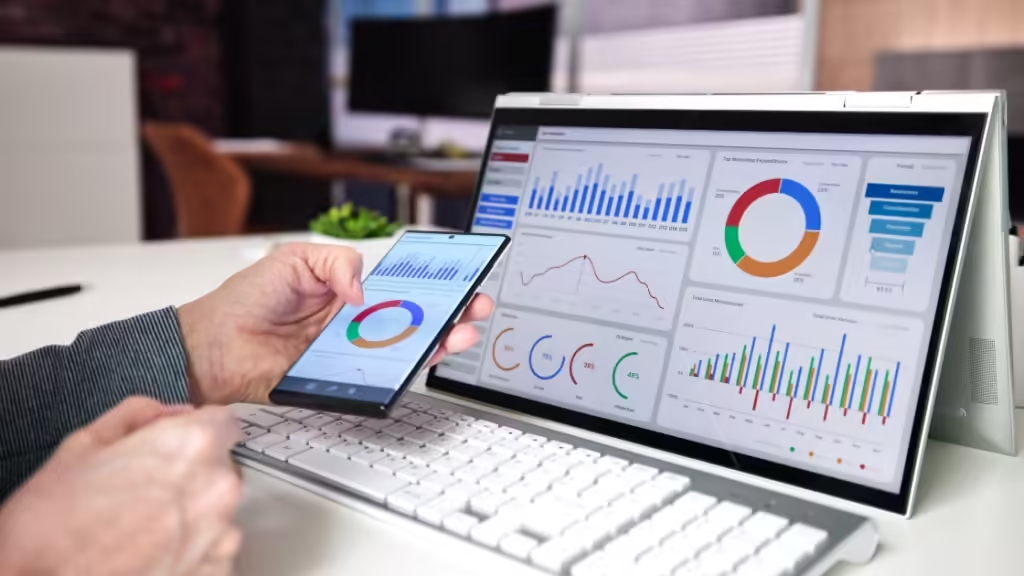
- Traffic and Engagement Metrics: Track website traffic, bounce rates, and time spent on listings. High engagement levels indicate that your content is resonating with viewers.
- Lead Tracking and Conversion Rates: CRM systems can help agents follow up with leads, monitor conversion rates, and analyze which marketing channels generate the best results.
- Campaign Performance: For paid ads, review click-through rates, cost per click, and overall return on investment. This data helps agents refine targeting and ad spend to maximize effectiveness.
Regularly analyzing and adjusting based on data allows agents to allocate their budgets more effectively, boost ROI, and continually improve their real estate digital marketing tactics.
Conclusion
Digital marketing has transformed the real estate industry, offering agents and agencies powerful tools to reach potential clients, showcase properties, and close deals. From establishing a strong online brand to using SEO, social media, and content marketing, there are countless ways for real estate professionals to enhance their digital presence. Whether it’s through engaging videos, email marketing, or interactive virtual tours, these strategies provide unique opportunities to connect with modern buyers.
Professionals who adopt these real estate digital marketing strategies can gain a competitive edge, build lasting relationships with clients, and ultimately grow their business in a highly competitive market.
Best Digital Marketing Blogs
Frequently Asked Questions (FAQs)
1. Why is digital marketing essential for real estate agents?
Digital marketing allows real estate agents to reach a larger audience, target specific demographics, and measure campaign performance. It’s a cost-effective way to generate leads and nurture client relationships.
2. What types of content work best for real estate marketing?
High-quality photos, virtual tours, videos, and informative blog posts are effective. Social media posts and client testimonials also help engage and build trust with potential clients.
3. What social media platforms are most effective for real estate marketing?
Facebook, Instagram, and LinkedIn are particularly effective for real estate marketing. Facebook and Instagram work well for visual content, while LinkedIn is ideal for professional networking.
4. How can video marketing help real estate agents attract more clients?
Video marketing provides an immersive experience that helps clients visualize properties. Virtual tours and live-streamed open houses offer convenience and make properties more accessible to remote buyers.

The 10 Most Effective Types of Digital Marketing You Need to Know
Introduction
Types of digital marketing encompasses all marketing efforts that use the internet or an electronic device. Businesses leverage digital channels such as search engines, social media, email, and websites to connect with current and prospective customers. The importance of digital marketing in today’s world is paramount as it allows businesses to reach a larger audience, target specific segments, and measure the impact of their marketing efforts in real-time.
Search Engine Optimization (SEO)
What is SEO?
Search Engine Optimization (SEO) is the practice of optimizing a website to rank higher in search engine results pages (SERPs), thereby increasing the quantity and quality of traffic to the site. It is very important factor in types of digital marketing SEO focuses on improving organic search results, which are the unpaid listings on a SERP.
On-Page SEO
On-Page SEO refers to the optimization of individual web pages to rank higher and earn more relevant traffic. This includes optimizing content, HTML code, and the overall user experience.
Off-Page SEO
Off-Page SEO involves activities outside of the website to improve its ranking. This primarily includes building backlinks from other reputable sites and increasing social signals.
Technical SEO
Technical SEO focuses on the backend structure of a website, ensuring it meets the technical requirements of search engines. This includes optimizing site speed, mobile-friendliness, and secure connections (HTTPS).
Benefits of SEO
SEO offers numerous benefits including increased visibility, higher web traffic, better user experience, and improved brand credibility. It is cost-effective in the long run and provides measurable results through analytics.
Common SEO Tools
Popular tools used in SEO include Google Analytics, Google Search Console, SEMrush, Ahrefs, and Moz. These tools help in keyword research, competitor analysis, backlink tracking, and performance measurement.
Content Marketing
Definition of Content Marketing
Content marketing involves creating and distributing valuable, relevant, and consistent content to attract and engage a clearly defined audience. The ultimate goal is to drive profitable customer action. It is crucial part in types of digital marketing efforts.

Types of Content Marketing
Blog Posts
Blog posts are articles that provide information, insights, and tips related to a specific topic. They help in improving SEO, establishing authority, and engaging readers.
Videos
Videos are a powerful form of content that can convey messages effectively through visuals and audio. They can range from explainer videos to product demonstrations.
Infographics
Infographics are visual representations of information or data. They are engaging and easy to understand, making complex information more accessible.
Ebooks
Ebooks are long-form content that provides in-depth information on a specific topic. They are often used as lead magnets to collect contact information from potential customers.
Benefits of Content Marketing
Content marketing helps in building trust and credibility, improving SEO, generating leads, and nurturing customer relationships. It also positions the business as an industry leader.
Content Marketing Strategies
Effective content marketing strategies include understanding the target audience, creating a content calendar, using SEO best practices, and promoting content through various channels like social media and email.
Social Media Marketing (SMM)
What is Social Media Marketing?
Social Media Marketing (SMM) involves using social media platforms to promote products, services, and brands. It helps in building brand awareness, engaging with customers, and driving traffic to the website. When it comes to connect with customer or consumer of business social media marketing is great step which is a part in types of digital marketing process.

Popular Social Media Platforms
Facebook is the largest social media platform, offering various advertising options and tools to engage with users through posts, stories, and groups.
Instagram focuses on visual content like photos and videos. It is popular among younger audiences and is effective for influencer marketing.
Twitter is a microblogging platform that allows sharing short messages, links, and multimedia. It is useful for real-time updates and customer service.
LinkedIn is a professional networking platform. It is effective for B2B marketing, networking, and recruiting.
Benefits of Social Media Marketing
SMM enhances brand awareness, increases website traffic, generates leads, and fosters customer relationships. It also provides valuable insights through analytics.
Social Media Marketing Strategies
Successful SMM strategies include identifying the right platforms, creating engaging content, using paid advertising, and leveraging analytics to optimize performance.
Pay-Per-Click Advertising (PPC)
What is PPC?
Pay-Per-Click (PPC) is an online advertising model where advertisers pay a fee each time their ad is clicked. It is a way of buying visits to the site rather than earning them organically.
How PPC Works
PPC ads are typically displayed on search engine results pages, social media platforms, and other websites. Advertisers bid on keywords, and the ads are shown based on the bid amount and ad quality. If you miss this types of digital marketing then you are missing the fast business growth.
Types of PPC Ads
Search Ads
Search ads appear on search engine results pages when users search for specific keywords.
Display Ads
Display ads are shown on various websites within the Google Display Network. They can be in the form of banners, images, or text.
Social Media Ads
Social media ads are displayed on social platforms like Facebook, Instagram, and Twitter. They can be targeted based on user demographics and behavior.
Benefits of PPC
PPC provides immediate results, precise targeting, measurable performance, and control over ad spend. It can significantly increase visibility and drive traffic to the site.
PPC Strategies
Effective PPC strategies include thorough keyword research, creating compelling ad copy, optimizing landing pages, and continuously monitoring and adjusting campaigns.
Email Marketing
What is Email Marketing?
Email marketing involves sending commercial messages to a group of people via email. It is used to build relationships with potential and existing customers, promote products, and provide valuable information. It is most used and most conversion given marketing method in types of digital marketing.

Types of Email Marketing Campaigns
Newsletters
Newsletters are regular emails that provide updates, news, and valuable content to subscribers.
Promotional Emails
Promotional emails are sent to inform subscribers about special offers, discounts, and new products.
Transactional Emails
Transactional emails are triggered by user actions, such as order confirmations, password resets, and shipping notifications.
Benefits of Email Marketing
Email marketing is cost-effective, highly targeted, measurable, and customizable. It helps in building relationships, increasing brand awareness, and driving sales.
Email Marketing Strategies
Successful email marketing strategies include building a quality email list, segmenting the audience, personalizing content, and using automation tools for timely delivery.
Affiliate Marketing
What is Affiliate Marketing?
Affiliate marketing is a performance-based marketing strategy where businesses reward affiliates for driving traffic or sales through their marketing efforts. Affiliate marketing is latest types of digital marketing in these decade.
How Affiliate Marketing Works
Affiliates promote a business’s products or services through their channels (e.g., blogs, social media) and earn a commission for each sale or lead generated.
Types of Affiliate Marketing Programs
Affiliate programs can be pay-per-sale, pay-per-click, or pay-per-lead. The type of program depends on the business’s goals and the nature of the product or service.
Benefits of Affiliate Marketing
Affiliate marketing expands reach, increases sales, and is cost-effective since businesses only pay for actual conversions. It also builds partnerships with influencers and publishers.
Affiliate Marketing Strategies
Effective strategies include choosing the right affiliates, providing them with quality promotional materials, tracking performance, and offering competitive commissions.
Influencer Marketing
What is Influencer Marketing?
Influencer marketing involves partnering with influencers—individuals with a large following on social media or other platforms—to promote products or services. With new strategies types of digital marketing are changing and adapting new techniques as per industry requirement.
Types of Influencers
Mega-Influencers
Mega-influencers have over a million followers and significant reach. They are usually celebrities or well-known personalities.
Macro-Influencers
Macro-influencers have 100,000 to 1 million followers. They are typically industry experts or well-known figures in their niche.
Micro-Influencers
Micro-influencers have 1,000 to 100,000 followers. They have high engagement rates and a strong connection with their audience.
Nano-Influencers
Nano-influencers have less than 1,000 followers but possess high engagement and influence within a very specific niche.
Benefits of Influencer Marketing
Influencer marketing builds trust, reaches a targeted audience, improves brand awareness, and generates high-quality leads.
Influencer Marketing Strategies
Successful strategies include identifying the right influencers, creating authentic content, setting clear goals, and tracking performance metrics.
Video Marketing
What is Video Marketing?
Video marketing involves using videos to promote and market products or services, increase engagement, and educate consumers. Video marketing is old marketing method but in digital era it is also included in types of digital marketing.
Types of Video Marketing
Brand Videos
Brand videos showcase the company’s mission, values, and products, aiming to build brand awareness and trust.
Product Videos
Product videos demonstrate how a product works, its features, and its benefits, helping potential customers make informed decisions.
Explainer Videos
Explainer videos provide detailed information on how to use a product or service, often addressing common questions and concerns.
Testimonials
Testimonial videos feature satisfied customers sharing their experiences, helping to build credibility and trust.
Benefits of Video Marketing
Video marketing increases engagement, improves SEO, enhances customer understanding, and boosts conversion rates.
Video Marketing Strategies
Effective strategies include creating high-quality content, optimizing videos for search engines, using compelling thumbnails, and promoting videos on various platforms.
Mobile Marketing
What is Mobile Marketing?
Mobile marketing involves reaching consumers on their smartphones, tablets, and other mobile devices through various channels such as SMS, apps, and mobile websites. World is using smartphones and mobiles as it has become part of their life to become one of the best in types of digital marketing.
Types of Mobile Marketing
SMS Marketing
SMS marketing involves sending promotional messages via text messages. It is highly effective due to its high open rate.
In-App Marketing
In-app marketing refers to advertisements and promotions within mobile apps. It targets users based on their app usage behavior.
Mobile Search Ads
Mobile search ads are displayed on mobile devices when users perform searches on search engines like Google.
Benefits of Mobile Marketing
Mobile marketing provides direct and immediate communication, high engagement rates, and the ability to target users based on location and behavior.
Mobile Marketing Strategies
Successful mobile marketing strategies include optimizing websites for mobile, using responsive design, leveraging location-based marketing, and creating mobile-friendly content.
Marketing Analytics
What is Marketing Analytics?
Marketing analytics involves measuring and analyzing marketing performance to improve effectiveness and optimize return on investment (ROI). Every marketing campaign is successful until it is reflected in marketing analytics so that it is considered as types of digital marketing.
Types of Marketing Analytics
Descriptive Analytics
Descriptive analytics looks at historical data to understand what happened and why.
Predictive Analytics
Predictive analytics uses statistical models and machine learning techniques to predict future outcomes based on historical data.
Prescriptive Analytics
Prescriptive analytics recommends actions to achieve desired outcomes by analyzing data and predicting the effects of different strategies.
Benefits of Marketing Analytics
Marketing analytics provides insights into customer behavior, helps in making data-driven decisions, improves campaign effectiveness, and increases ROI.
Marketing Analytics Tools
Popular tools include Google Analytics, Adobe Analytics, HubSpot, and Tableau. These tools offer features for data collection, analysis, and visualization.
Conclusion
Digital marketing encompasses various strategies and techniques to connect with customers online. It includes SEO, content marketing, social media marketing, PPC, email marketing, affiliate marketing, influencer marketing, video marketing, mobile marketing, and marketing analytics as types of digital marketing. Each type has its own benefits, methods, and tools that can help businesses reach their goals.
The Future of Digital Marketing
The future of digital marketing and types of digital marketing is bright and continuously evolving. Emerging technologies such as artificial intelligence (AI), machine learning, virtual reality (VR), and augmented reality (AR) are set to revolutionize how businesses engage with customers. Personalization will become more advanced, allowing for highly tailored marketing messages. Additionally, as privacy concerns grow, marketers will need to balance personalization with data protection and transparency.
What is digital marketing?
Digital marketing refers to all marketing efforts that use the internet or an electronic device. Businesses leverage digital channels like search engines, social media, email, and websites to connect with current and prospective customers.
Why is digital marketing important?
Digital marketing is crucial because it allows businesses to reach a larger audience, target specific segments, and measure the impact of their marketing efforts in real-time. It also provides opportunities for engagement and relationship building with customers.
What is SEO and why is it important?
SEO, or Search Engine Optimization, is the practice of optimizing a website to rank higher in search engine results pages. It is important because it increases the visibility of a website, driving more organic traffic and improving credibility.
What are the benefits of social media marketing?
Social media marketing enhances brand awareness, increases website traffic, generates leads, and fosters customer relationships. It also provides valuable insights through analytics.
What is the difference between PPC and SEO?
PPC (Pay-Per-Click) is an online advertising model where advertisers pay each time their ad is clicked, while SEO focuses on optimizing a website to rank higher organically in search engine results. PPC provides immediate results, whereas SEO is a long-term strategy.